

In demanding industrial environments, valve material selection is often just as important as valve design. Industries such as chemical processing, offshore oil and gas, power generation, and pharmaceutical manufacturing frequently handle highly corrosive media and extreme operating temperatures that can quickly degrade standard valve materials. In these situations, a hastelloy valve offers an effective solution by providing exceptional corrosion resistance, mechanical strength, and long-term reliability.Known for their ability to perform in some of the harshest operating conditions, Hastelloy valves have become a preferred choice for engineers seeking dependable flow control and reduced maintenance costs. Understanding their unique characteristics can help operators determine whether a hastelloy valve is the right option for their applications.
A hastelloy valve is a valve manufactured from Hastelloy, a family of high-performance nickel-based alloys specifically developed for severe corrosion environments. Unlike conventional stainless steel materials, Hastelloy alloys contain carefully balanced amounts of nickel, molybdenum, chromium, and other elements that significantly enhance resistance to chemical attack.The key difference between a hastelloy valve and valves made from standard materials lies in its ability to maintain structural integrity when exposed to aggressive chemicals, acids, chlorides, and high-temperature process media. While many metals can experience rapid corrosion, pitting, or stress corrosion cracking under these conditions, Hastelloy alloys are specifically engineered to withstand such challenges.Various valve types can be manufactured using Hastelloy materials, including ball valves, gate valves, globe valves, butterfly valves, and hastelloy check valve designs. This versatility allows industries to benefit from Hastelloy's exceptional performance across a wide range of flow control applications.
Several unique properties make Hastelloy one of the most reliable materials for industrial valve construction.
One of the most important advantages of Hastelloy is its outstanding resistance to corrosion. The alloy performs exceptionally well in environments containing sulfuric acid, hydrochloric acid, phosphoric acid, and various chloride-containing solutions. This makes a hastelloy valve particularly suitable for chemical processing operations where conventional materials may fail.
Many industrial processes involve elevated temperatures that can weaken ordinary metals over time. Hastelloy maintains its strength and corrosion resistance even at high operating temperatures, making it ideal for demanding thermal applications.
Pitting and crevice corrosion are common causes of valve failure in aggressive environments. Hastelloy alloys provide excellent protection against these localized forms of corrosion, helping extend service life and reduce maintenance requirements.
In addition to corrosion resistance, Hastelloy offers high mechanical strength and durability. This allows valves to operate safely under high-pressure conditions while maintaining reliable sealing performance.
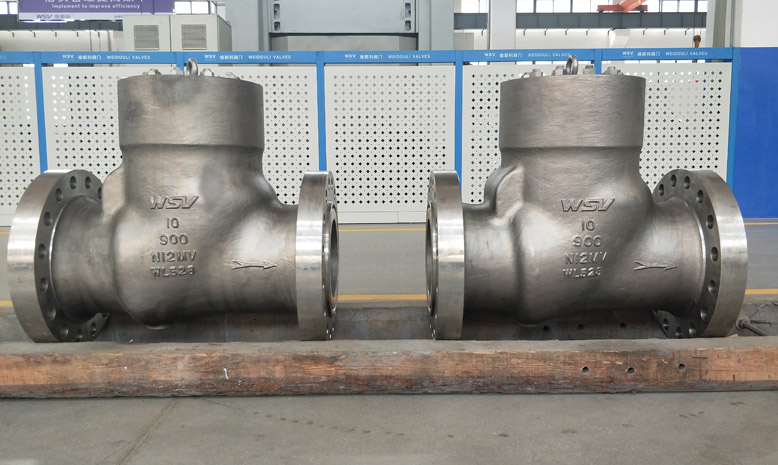
The superior properties of Hastelloy make these valves valuable across numerous industrial sectors.
Chemical manufacturing facilities often handle highly corrosive fluids that can rapidly damage standard valve materials. A hastelloy valve provides the corrosion resistance necessary for safely managing aggressive chemicals and maintaining process reliability.
Offshore platforms, refineries, and petrochemical facilities frequently encounter corrosive substances such as hydrogen sulfide, seawater, and acidic compounds. Hastelloy valves help ensure safe and dependable operation in these challenging environments.
Many pharmaceutical production processes require high-purity systems and resistance to chemical cleaning agents. Hastelloy materials offer both durability and compatibility with stringent cleanliness requirements.
Power plants use specialized valves in high-temperature and high-pressure systems. The thermal stability of Hastelloy allows these valves to perform effectively in demanding energy production applications.
Exposure to saltwater creates significant corrosion challenges. Hastelloy's resistance to chloride attack makes it a valuable material for marine systems and desalination plants.
When operating conditions become increasingly aggressive, the advantages of a hastelloy valve become even more apparent.First, these valves provide significantly longer service life compared to conventional materials. Their resistance to corrosion reduces the likelihood of premature failure, minimizing replacement costs and downtime.Second, maintenance requirements are often reduced. Because Hastelloy components resist degradation, operators spend less time performing repairs or replacing damaged parts.Another advantage is improved process safety. Valve failures caused by corrosion can result in leaks, environmental hazards, and production interruptions. Hastelloy valves help mitigate these risks by maintaining reliable performance over extended periods.In addition, Hastelloy valves offer excellent lifecycle value. While the initial investment may be higher than standard materials, the reduction in maintenance expenses and replacement frequency often results in lower total ownership costs over time.A hastelloy check valve is particularly beneficial in systems where backflow prevention is critical and corrosive media are present. Combining corrosion resistance with reliable flow control helps ensure long-term operational stability.
Choosing the right Hastelloy valve requires a careful assessment of your process requirements. Start by analyzing the process media—its chemical composition, concentration, and temperature—to determine the most suitable Hastelloy alloy for optimal corrosion resistance and durability.Next, consider the system’s pressure and temperature conditions. These factors influence valve design, sealing materials, and overall performance, ensuring reliable operation under demanding conditions.Selecting the appropriate valve type is equally important. Hastelloy check valves are ideal for preventing reverse flow, while ball valves, gate valves, or globe valves may be better suited for isolation, throttling, or regulation tasks.Compliance with industry standards and certification requirements is essential to meet operational and safety regulations.Finally, partner with a trusted manufacturer. WSV offers premium Hastelloy valve solutions engineered for high-temperature and highly corrosive environments, providing safe, efficient, and long-lasting flow control for industrial applications.
Hastelloy valves are an ideal choice for applications involving corrosive media, high temperatures, and demanding operating conditions. With their exceptional durability, corrosion resistance, and long service life, they help improve system reliability and reduce maintenance costs. As a trusted industrial valve manufacturer, WSV provides high-quality Hastelloy valve solutions designed to deliver safe and efficient flow control in even the most challenging environments.

 中文
 日本語
 français
 Deutsch
 Español
 русский
 português
 العربية
 dansk
 Svenska
 Nederland