

Selecting the right valve is essential for ensuring efficient flow control, system reliability, and long-term operating performance. Among the many valve types used in industrial systems, the plug valve and the ball valve are two of the most common options. Although both are quarter-turn valves designed for on/off service, they differ significantly in design, sealing performance, maintenance requirements, and application suitability. Understanding these differences can help engineers and facility managers make informed decisions for their systems.
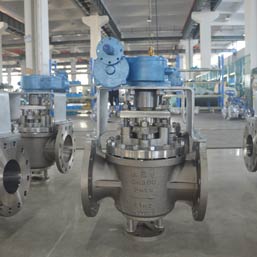
A plug valve is a quarter-turn valve that uses a cylindrical or tapered plug with a hollow passage through its center. When the stainless steel plug valve is rotated 90 degrees, the passage aligns with the pipeline, allowing fluid to flow. Rotating the plug in the opposite direction blocks the flow completely.The simple construction of a plug valve makes it suitable for handling liquids, gases, slurries, and media containing suspended solids. Because the internal flow path is relatively unobstructed, pressure loss is typically low. Some designs feature lubricated sealing surfaces that reduce friction and improve operational reliability.A plugged valve is often selected for applications involving corrosive, abrasive, or dirty media because the robust plug design can tolerate challenging operating conditions. Industries such as chemical processing, wastewater treatment, and mining frequently rely on plugged valves where durability is a priority.
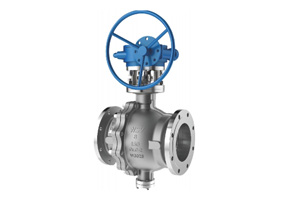
A ball valve is another quarter-turn valve that uses a spherical ball with a bore through its center. When the bore aligns with the pipeline, fluid passes through freely. A 90-degree rotation positions the solid side of the ball against the flow path, creating a tight shutoff. WSV industrial ball valves are designed to meet high standards of reliability and durability in demanding systems.
A ball valve consists of a spherical ball, valve body, seats, stem, and actuator or handle. The bore through the center of the ball allows fluid to pass when aligned with the pipeline. High-quality industrial ball valves are typically manufactured from stainless steel, carbon steel, brass, or special alloys to meet various operating requirements. At WSV, ball valves are engineered to provide long service life and consistent sealing performance under industrial conditions.
The working principle of a ball valve is straightforward. Rotating the handle or actuator by 90 degrees aligns the ball bore with the flow path, allowing fluid to pass through. Rotating the ball a quarter turn in the opposite direction positions the solid portion of the ball against the flow path, completely stopping the flow. This simple operation enables fast and reliable shutoff in a wide range of industrial applications.
Several characteristics make the ball valve a preferred choice in industrial systems:
Excellent sealing performance with minimal leakage
Quick quarter-turn operation
Low pressure drop due to full-port flow paths
Low operating torque
Long service life with minimal maintenance
Compatibility with automated control systems
These advantages explain why industrial ball valves are widely used in oil and gas, chemical processing, water treatment, power generation, and manufacturing facilities.
Although both valve types perform similar functions, important differences affect performance and suitability.Ball valves generally provide tighter shutoff due to their precision-machined spherical ball and resilient seats. This makes them ideal for applications where leakage prevention is critical. Operating torque is typically lower for a ball valve, while plug valves can handle dirty or abrasive media more effectively due to their simpler internal geometry. Cost considerations, pressure ratings, and maintenance requirements can also influence valve selection.
| Feature | Ball Valve | Plugged Valve |
|---|---|---|
| Shutoff Performance | Tight, low leakage | Moderate, may need lubrication for tight seal |
| Operation | Quick quarter-turn, low torque | Quarter-turn, slightly higher torque |
| Media Handling | Clean or slightly contaminated fluids | Abrasive, slurry, or solids-laden media |
| Pressure Rating | High-pressure suitable | Moderate pressure capability |
| Maintenance | Minimal, inspection of seats and seals | Periodic lubrication recommended |
| Durability | Long-lasting under normal conditions | Robust for harsh or dirty environments |
| Cost | Slightly higher upfront | Usually more economical for abrasive applications |
| Automation Compatibility | Fully compatible | Compatible, but often manually operated |
Maintenance requirements vary depending on operating conditions and media characteristics.Ball valves require limited routine maintenance, usually involving inspection of seats, seals, and stem packing. Many industrial ball valves from WSV can operate for years with minimal servicing. Plugged valves may require periodic lubrication to maintain sealing performance, particularly when handling abrasive or dirty fluids. Regular inspections help maximize service life and reduce unexpected downtime for both valve types.
Choosing the right valve depends on your system requirements.If tight shutoff, low operating torque, and minimal maintenance are priorities, a ball valve is often the preferred solution. WSV industrial ball valves provide reliable sealing and long-term performance. If the process involves abrasive slurries, dirty fluids, or media containing solids, a plugged valve may offer superior durability and resistance to clogging.Other factors such as pressure rating, temperature range, installation space, maintenance resources, and budget should be considered. Evaluating these criteria alongside process media characteristics ensures the most effective valve selection.In summary, both plug valves and ball valves are essential in industrial flow control. While ball valves excel in sealing efficiency and ease of maintenance, plugged valves offer advantages in challenging service conditions. Selecting the right valve, particularly with high-quality options from WSV, enhances system reliability, safety, and operational efficiency.

 中文
 日本語
 français
 Deutsch
 Español
 русский
 português
 العربية
 dansk
 Svenska
 Nederland