

In any fluid handling system, maintaining flow in the correct direction is essential for protecting equipment, ensuring operational efficiency, and preventing costly damage. This is where a pressure check valve plays a vital role. Designed to allow flow in one direction while automatically preventing reverse flow, check valves are widely used across industrial, commercial, and municipal applications.
However, not all check valves perform the same way. Factors such as cracking pressure, material selection, operating conditions, and system requirements significantly impact valve performance. Understanding these factors can help engineers and operators choose the right pressure check valve for reliable and long-lasting operation.
A pressure check valve serves as an automatic safeguard within a piping system. Unlike manually operated valves, it requires no external control. The valve opens when fluid pressure exceeds a predetermined threshold and closes automatically when flow reverses or pressure drops.This simple but effective function helps prevent backflow, which can damage pumps, compressors, filters, and other critical equipment. Reverse flow can also contaminate process media, reduce system efficiency, and create safety risks in high-pressure applications.In industrial environments, a properly selected check valve can minimize water hammer effects, protect expensive assets, and improve overall system reliability. Whether installed in water treatment facilities, chemical processing plants, power generation systems, or oil and gas operations, check valves are an essential component of safe fluid control.
One of the most important specifications when selecting a pressure check valve is cracking pressure.Cracking pressure refers to the minimum upstream pressure required to open the valve and initiate flow. Once the pressure exceeds this threshold, the valve opens and allows fluid to pass through the system.Selecting the correct cracking pressure is critical because it directly affects system efficiency and performance. If the cracking pressure is too high, the valve may remain closed when flow is needed, resulting in pressure losses and reduced operational efficiency. Conversely, if the cracking pressure is too low, the valve may open prematurely, increasing the risk of unwanted flow fluctuations or inadequate backflow protection.For example, low-pressure systems often require check valves with minimal cracking pressure to maximize flow efficiency. High-pressure industrial systems may require higher cracking pressures to ensure reliable sealing and protection against reverse flow.Understanding the relationship between operating pressure and cracking pressure helps ensure that the selected pressure check valve performs optimally within the intended application.
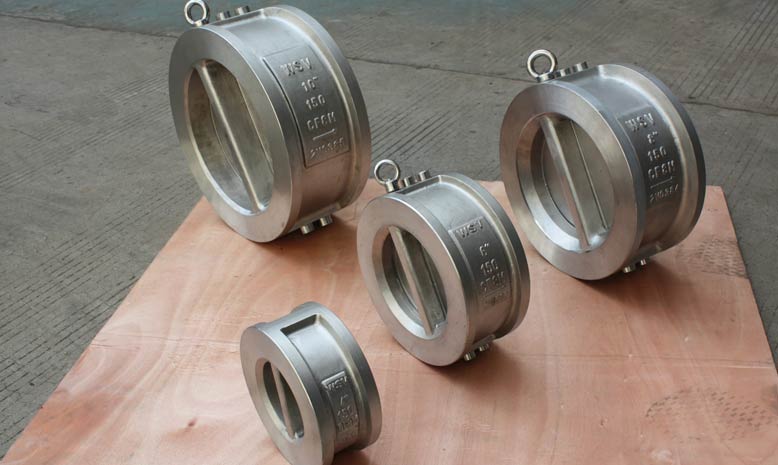
Material selection is another key factor in check valve performance. Among the available options, a stainless check valve is often preferred for demanding industrial applications.Stainless steel offers excellent resistance to corrosion, oxidation, and chemical attack. This makes a stainless check valve suitable for harsh environments where exposure to moisture, aggressive chemicals, steam, or corrosive process media is common.Another advantage is mechanical strength. Stainless steel components can withstand high pressures and elevated temperatures while maintaining structural integrity. This durability contributes to longer service life and lower maintenance requirements.A stainless check valve also provides hygienic benefits in industries such as food processing, beverage production, and pharmaceutical manufacturing, where cleanliness and contamination prevention are critical.Because of these advantages, stainless steel check valves are widely used in chemical plants, offshore facilities, water treatment systems, power plants, and industrial manufacturing operations.
Using an incorrect check valve can lead to operational issues that may only become noticeable as system performance declines. Common warning signs include:
Excessive valve chatter: Frequent opening and closing may indicate that the valve size or cracking pressure is not properly matched to flow conditions.
Unexpected pressure loss: An improperly selected valve can create unnecessary flow restrictions, reducing efficiency and increasing energy consumption.
Equipment damage: Repeated failures in pumps, compressors, or pipelines due to reverse flow or water hammer suggest that the current valve may not be providing adequate protection.
Leakage and poor sealing: Over time, an unsuitable check valve may wear faster, leading to reduced reliability and higher maintenance costs.
By recognizing these signs early, operators can reassess system requirements and choose a more suitable pressure check valve, avoiding potential damage and downtime.
Choosing the right pressure check valve requires careful evaluation of several key factors.First, consider the characteristics of the process media. Fluid composition, viscosity, temperature, and corrosiveness all influence valve material and design selection. In many industrial applications, a stainless check valve provides the durability and corrosion resistance needed for reliable operation.Next, evaluate operating pressure and flow conditions. Understanding system pressure ranges and required cracking pressure helps ensure proper valve performance without unnecessary pressure loss.Valve size is equally important. Oversized valves may cause instability and chatter, while undersized valves can restrict flow and reduce efficiency.Installation orientation should also be considered. Some check valve designs perform best in horizontal installations, while others are suitable for vertical piping systems.Finally, work with a trusted manufacturer that understands industrial flow control requirements.
WSV provides dependable pressure check valve options, engineered to meet diverse application needs.Choosing the right pressure check valve helps improve system reliability, reduce maintenance costs, and protect critical equipment. WSV offers dependable valve solutions designed to support efficient and long-lasting industrial operation.

 中文
 日本語
 français
 Deutsch
 Español
 русский
 português
 العربية
 dansk
 Svenska
 Nederland